
Accurate valuations are the backbone of successful property transactions. As a New Zealand real estate agent I have learned that clear, professional communication with property valuers prevents surprises, protects client interests and keeps deals on track. Below I share practical steps you can adopt straight away to improve outcomes and achieve more accurate valuations.
Table of Contents
- 🤝 Build rapport from the start
- 🗣️ Communicate evidence, not emotion
- 🔍 Address discrepancies constructively
- 🛠️ Practical steps to align expectations
- 📚 Keep learning and level up
- ❓ FAQ
🤝 Build rapport from the start
Start by building rapport. Be upfront, professional, and transparent about your market insights. A valuers first impression matters. When you establish trust early you create a collaborative environment that supports accurate valuations rather than adversarial phone calls when a valuation lands.

🗣️ Communicate evidence, not emotion
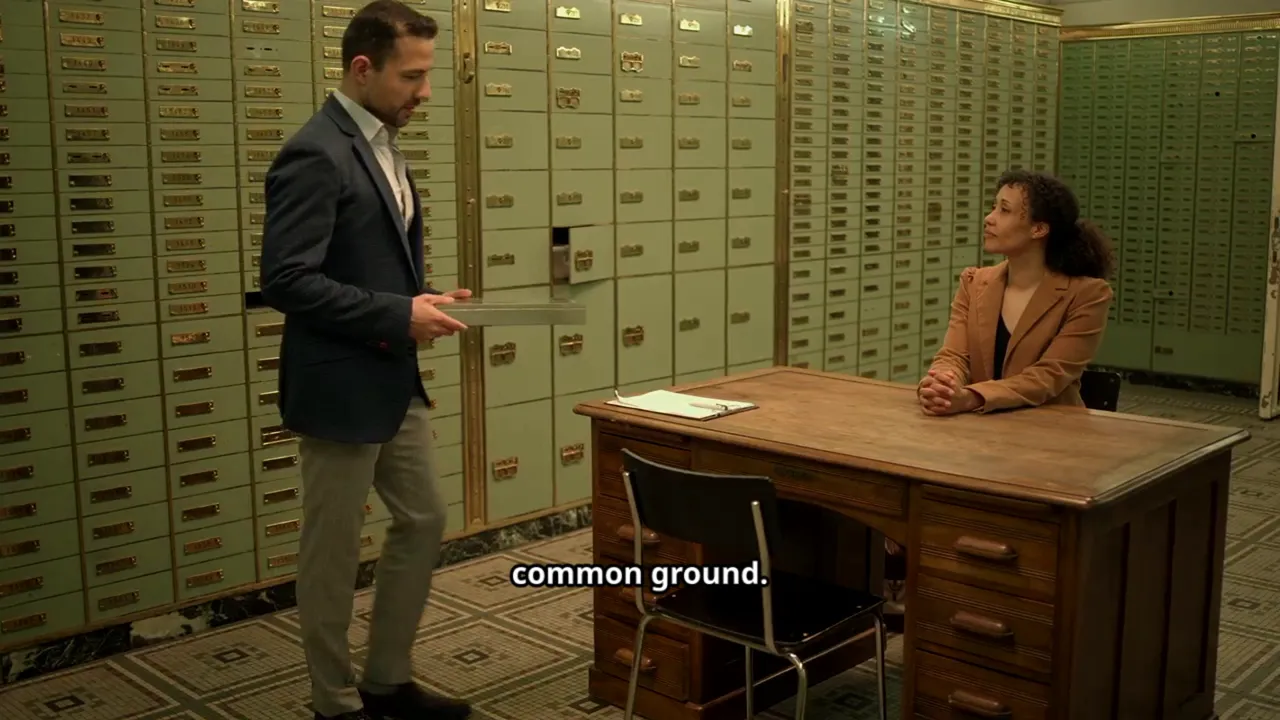
Effective communication is your secret weapon. When you spot discrepancies in evaluation, approach the conversation with respect. Ask questions, share data, and listen to their perspective. Avoid confrontation. Instead, focus on finding common ground.
- Present recent comparable sales, not just anecdotes.
- Share market trends and days on market for similar properties.
- Clarify any assumptions the valuer used about zoning, condition or improvements.

🔍 Address discrepancies constructively
"Don't let valuation discrepancies derail your deals." When a valuer's number differs from yours use questions to uncover why. Ask what sources they used, what adjustments they made, and whether any site inspection factors influenced their view. Listening to their perspective helps you identify whether a difference is methodological or evidence based.
"When you spot discrepancies in evaluation, approach the conversation with respect."
🛠️ Practical steps to align expectations
Focus on practical actions that lead to fairer outcomes for you and your clients:
- Prepare a concise evidence pack before contact. Include 3 to 5 comparables and photos of the property and improvements.
- Request a quick call rather than an email chain. Tone and clarity are better maintained in conversation.
- Agree on next steps and timelines if a review is needed.
- Follow up with a summary email so everyone has a record of agreed points.
📚 Keep learning and level up
Remember, a trusted partnership with valuers leads to fairer outcomes for you and your clients. For more strategies I recommend ongoing development. Our e-agent course is packed with practical tips and helps agents improve communication and secure more accurate valuations. Level up your communication and get the results you deserve.

❓ FAQ
How should I start a conversation when a valuation is lower than expected?
Start respectfully. Ask for the main reasons behind the valuation, share a concise evidence pack with comparable sales and market trends, and invite them to explain any on-site observations that influenced their view.
What evidence is most useful to share with a valuer?
Provide 3 to 5 recent comparable sales, clear photos of the property and any improvements, and local market data such as recent sale prices and average days on market. Keep the information concise and accurate.
Can better communication change an already issued valuation?
Yes it can. If you present new, verifiable evidence or clarify misunderstandings valuers may amend their appraisal. Approach the discussion professionally and agree on next steps for any review.
Find A CPD Course |
|
Over 100 To Select From |
| Click me |
Comments
Post a Comment