
Are You Missing Out on Top Property Deals in New Zealand? Master Emotional Intelligence to Tip the Scales

Photo by Vitaly Gariev on Unsplash
If you work in New Zealand real estate or are buying property here, negotiation is more than numbers and contracts. It is about people. Over the years I have seen top deals lost and won because someone failed to read the room, listen properly or respond with empathy.
Table of Contents
- 🧠 Why negotiation in New Zealand real estate is about people
- 🤝 What emotional intelligence looks like in practice
- 👂 Active listening builds trust
- 💬 Read the seller beyond price
- 🔍 Techniques to stay calm and spot hidden opportunities
- ⚠️ Common pitfalls to avoid
- ❓ Frequently asked questions
- ✅ Final thoughts
🧠 Why negotiation in New Zealand real estate is about people
Negotiation is rarely a pure financial exercise. Sellers and buyers bring motivations, fears and timelines to the table. Sometimes the seller is not chasing the highest dollar. They might want a quick sale, or they may be looking for the right new owner who will care for the property.
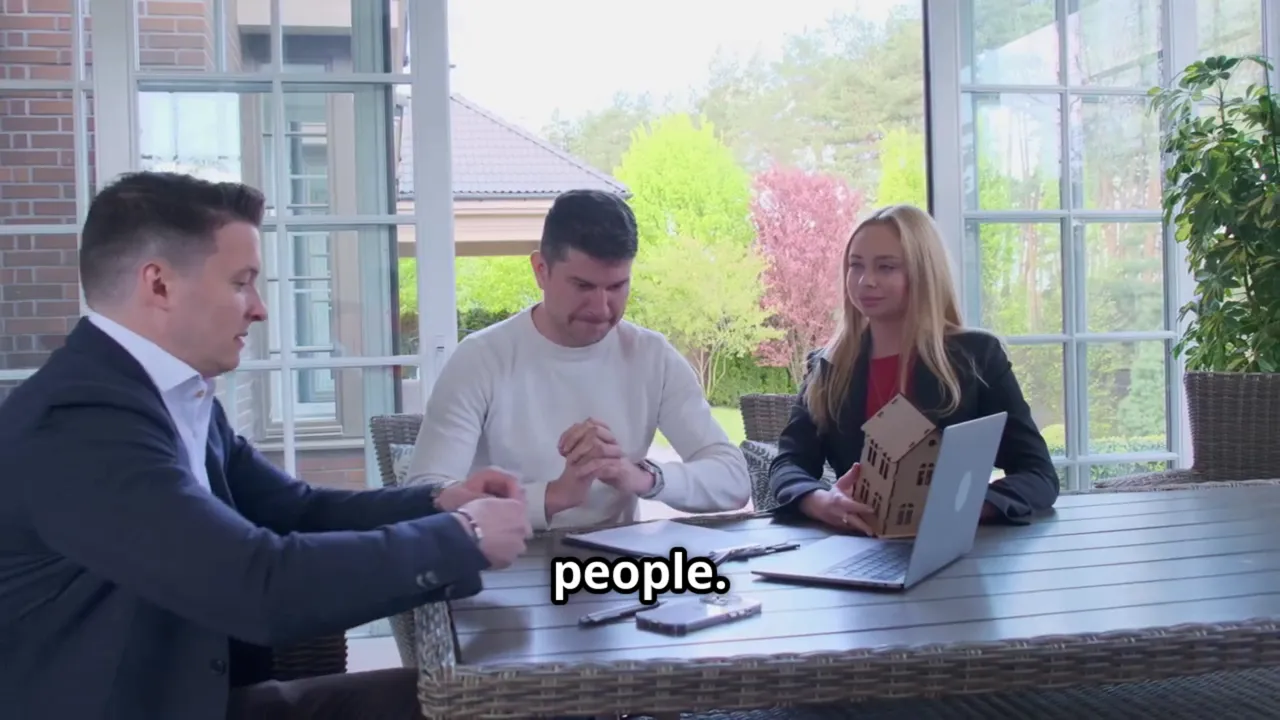
When you treat negotiation as a human interaction rather than a duel over price, you open up creative solutions that benefit everyone. This approach is particularly relevant in New Zealand markets where community ties, family decisions and lifestyle considerations often shape outcomes.
🤝 What emotional intelligence looks like in practice
Emotional intelligence here means three practical skills: reading the room, understanding true motivations, and responding with empathy. These are not soft skills in the background. They actively influence deal structure, timing and the willingness of parties to compromise.
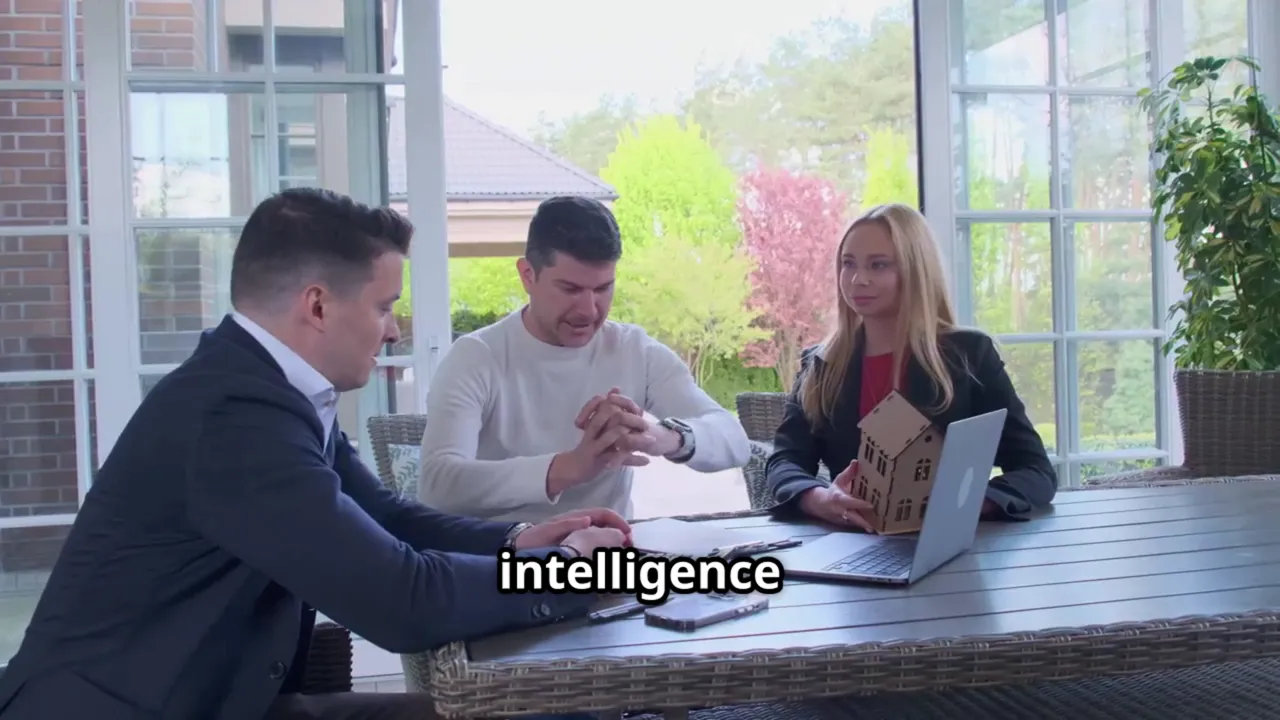
Read body language, tone and what is not being said. Ask questions that reveal priorities. Then adapt your offer or process to match those priorities. That might mean speeding up settlement, offering a rentback, or simply reassuring the seller about their future plans for the home.
👂 Active listening builds trust
When you listen actively you build trust. Active listening is more than waiting for your turn to speak. It is summarising what you have heard, asking clarifying questions and reflecting back the seller or buyer's concerns.
Simple phrases such as I hear that timing is important to you or Tell me more about what you want for the property can unlock information that changes the negotiation. Trust reduces friction, speeds up decisions and often reveals hidden opportunities.
💬 Read the seller beyond price
Price is only one variable. In many New Zealand deals the seller might prioritise a quick sale, certainty, or a buyer who will respect the property. By tuning in you can tailor your offer to meet those needs.

Examples of non-price concessions that win deals:
- Faster settlement or flexible possession dates for a quick sale
- Assurances about future use or care of the home to appeal to sentimental sellers
- Removing conditions that cause delay where the buyer is comfortable doing so
🔍 Techniques to stay calm and spot hidden opportunities
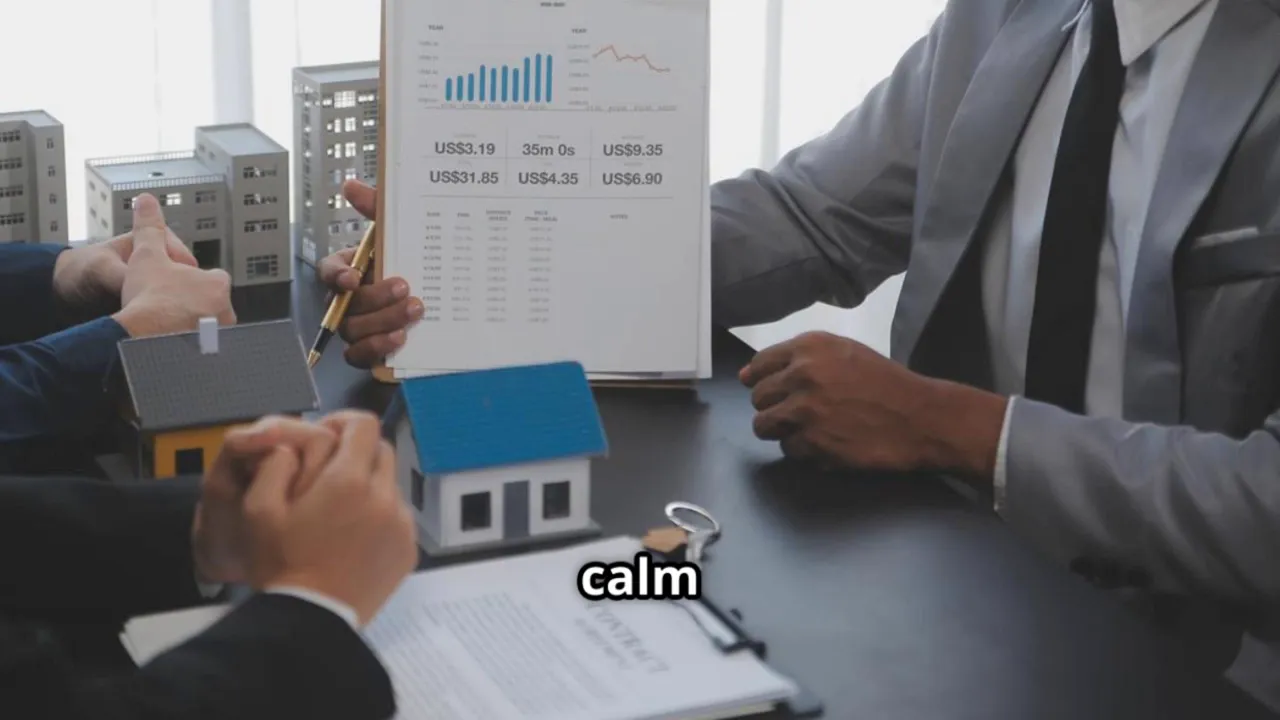
Staying calm under pressure is a practical part of emotional intelligence. When you are composed you see more, hear more and make better decisions.

Techniques I use and recommend:
- Pause before responding. A short silence gives you time to process and often encourages the other side to reveal more.
- Ask open questions. What is most important to you? Why is that timing significant? These uncover priorities.
- Mirror and label emotions. I can hear this is stressful for you helps defuse tension.
- Offer options rather than ultimatums. Presenting two acceptable alternatives increases the chance of agreement.
⚠️ Common pitfalls to avoid
Failing to apply emotional intelligence leads to predictable mistakes:
- Assuming the highest offer wins without checking for non-price priorities
- Talking over the seller or buyer instead of inviting their perspective
- Reacting emotionally to pressure which escalates conflict
- Missing subtle cues that indicate a different timeline or condition is more valuable
Emotions matter as much as the numbers.
When you spot these pitfalls early you can shift strategy and often convert a stalled negotiation into a successful transaction.
❓ Frequently asked questions
Is emotional intelligence important in property negotiations?
Yes. Emotional intelligence helps you read motivations, build trust and tailor offers to what the other party truly values. That often wins deals that purely price-focused approaches lose.
How do I identify if a seller wants a quick sale or a particular buyer?
Ask direct open questions about timing and priorities, listen for hints in their language and observe urgency cues such as willingness to accept conditions or flexibility on settlement dates.
What are simple ways to show empathy during negotiations?
Acknowledge emotions, repeat back key concerns, offer small concessions that matter to them and be transparent about your intentions. Small gestures often build disproportionate goodwill.
Can emotional intelligence be learned?
Yes. Practice active listening, pause before reacting, and reflect on negotiations after they finish. Over time you will get better at spotting motivations and responding productively.
Will focusing on emotions reduce the price I pay?
Not necessarily. In many cases aligning with the other party's true priorities leads to deals that are faster, more certain and sometimes cheaper overall when you factor in transaction costs and risk.
✅ Final thoughts
In New Zealand real estate, negotiation is about people as much as property. By tuning in, asking the right questions and staying calm under pressure you can spot hidden opportunities and avoid common pitfalls. Master emotional intelligence and you will unlock better results for everyone involved.
Find A CPD Course |
|
Over 100 To Select From |
| Click me |
Comments
Post a Comment