
Advertising property in New Zealand means following rules. Good real estate ad compliance is straightforward: be clear, be honest and back up every claim. Break the rules and you risk fines, lost listings and even your licence. This guide explains what needs to be true, what you must disclose and the simple steps to keep your advertising clean and effective.
Table of Contents
- The basics of real estate ad compliance 📌
- Claims must be provable 🧾
- Images and video must represent the property 📷
- Hidden defects and mandatory disclosures ⚠️
- Consequences of non-compliance ⚖️
- Practical checklist to stay compliant ✅
- FAQ ❓
- Final thoughts 📝
The basics of real estate ad compliance 📌
Real estate ad compliance is about accuracy and transparency. The Real Estate Agents Act requires that adverts present price, property size and location correctly. The principle is simple: nothing in your ad should be misleading.

Claims must be provable 🧾
If you say a property has a sea view, is recently renovated, or has a specific floor area, you need to be able to prove it. That means: documentation, inspection reports or measurements. Avoid vague sales puffery that could be read as fact.

"When selling property in New Zealand, your advertising must be clear, honest, and not misleading."
Because buyers rely on adverts to decide whether to inspect a property, any claim should be factual and verifiable. Use qualifiers only when they are accurate and supported.
Images and video must represent the property 📷
Photos and walkthroughs must show the actual property without deceptive tricks. That means no exaggerated perspectives, no staging that hides defects and no images lifted from other listings. If you use wide-angle lenses or virtual staging, state it.

Transparency tip: label digitally altered images and disclose when a photo is a representation rather than an exact depiction.
Hidden defects and mandatory disclosures ⚠️
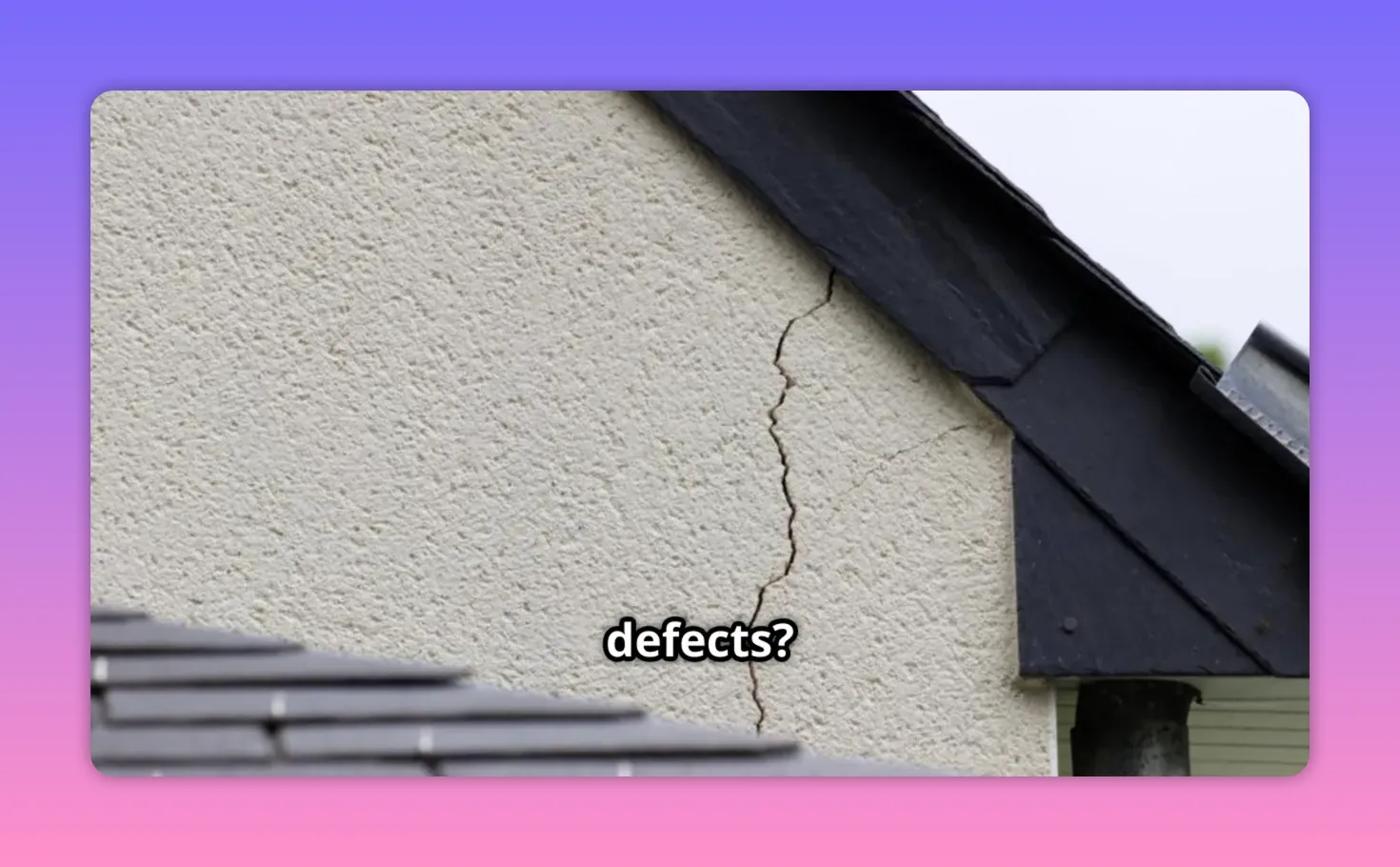
Material defects that affect value, safety or use must be disclosed. If there are known issues with foundations, leaks or legal encumbrances, they belong in the advertising or in accompanying documents. Not disclosing defects is one of the fastest routes to a complaint.
Consequences of non-compliance ⚖️
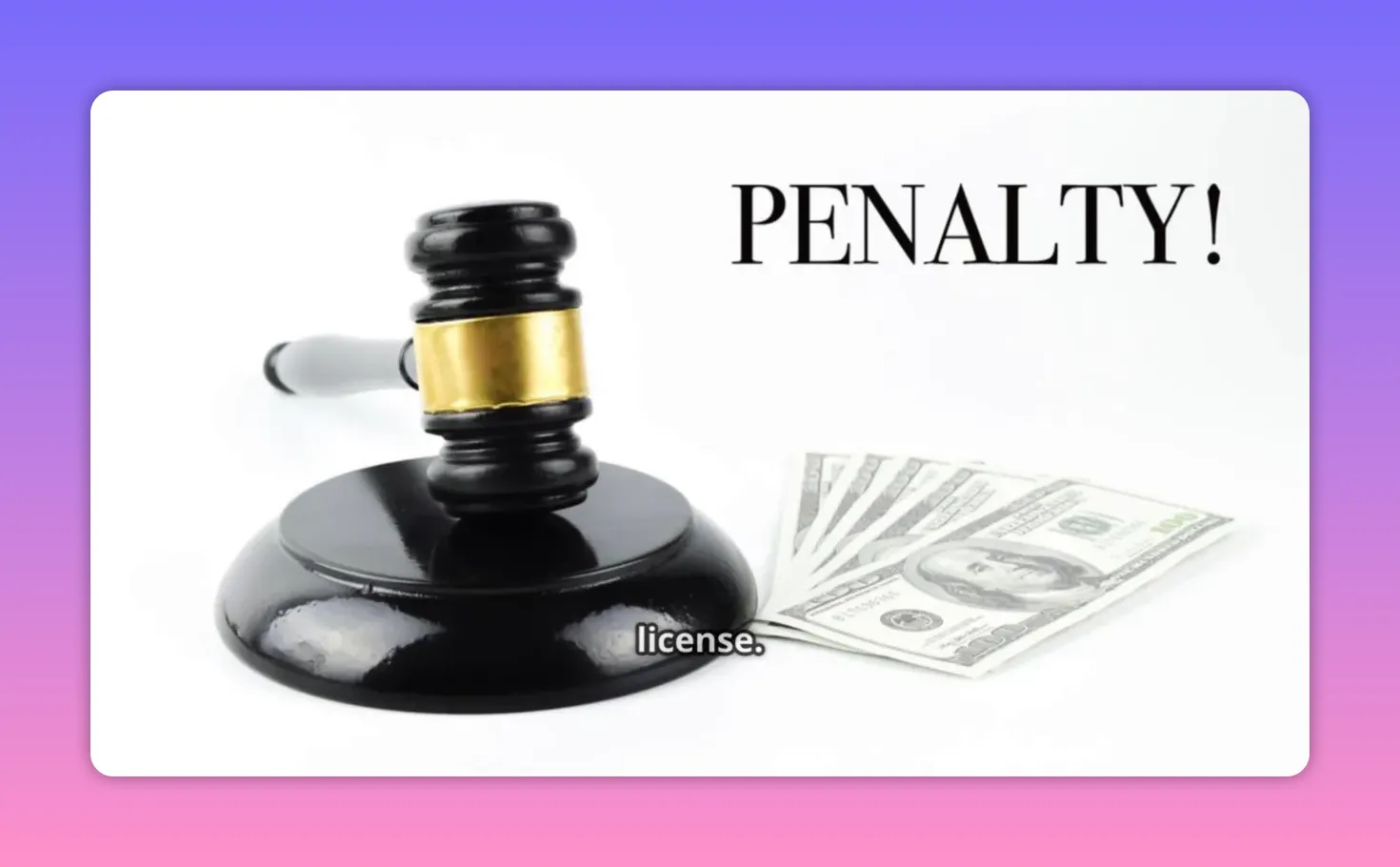
Failure to follow advertising rules carries real consequences: fines, complaints to the regulator and, in severe cases, loss of licence for agents. Beyond penalties, misleading advertising damages reputation and hurts future business.
"Compliance isn't just the law, it's good business."
Practical checklist to stay compliant ✅
Use this checklist before you publish any property advert:
- Price and sale type — state the correct price or pricing method.
- Measurements and tenure — ensure area and title details are accurate.
- Claims — back up descriptors like "sea view" or "renovated".
- Photos and video — show the real property and disclose edits.
- Defects — disclose known issues that affect the property.
- Documentation — keep proof on file in case of questions.
Following these steps keeps listings honest and protects both sellers and agents.
FAQ ❓
What does "clear, honest, and not misleading" actually mean in practice?
It means every factual statement in the advert can be defended. Avoid ambiguous language presented as fact, provide accurate measurements, and disclose known defects. If a claim could be challenged, either verify it or remove it.
Can I use virtual staging or wide-angle lenses in photos?
Yes, but only if you disclose it. Virtual staging should be labelled as such and wide-angle effects that misrepresent size or layout need to be avoided or explained.
What information must always be accurate?
Price or price range, property size, location and any statements about legal status or encumbrances must be accurate. These are core details that buyers rely on to make decisions.
What happens if an advert is found misleading?
Regulatory action can include fines, orders to correct advertising and, for agents, disciplinary measures that may affect their licence.
How can I make my ads both compliant and appealing?
Use honest, benefit-focused language. Highlight verified selling points, use high-quality real photos, and present clear pricing. Trust builds enquiries and reduces risk.
Final thoughts 📝
Real estate ad compliance protects buyers and sellers. Follow the rules, keep records and be ready to support every claim. Honest advertising is not only legally required, it makes better business sense.
Find A CPD Course |
|
Over 100 To Select From |
| Click me |
Comments
Post a Comment